Blog

Private Label vs Custom Formulation
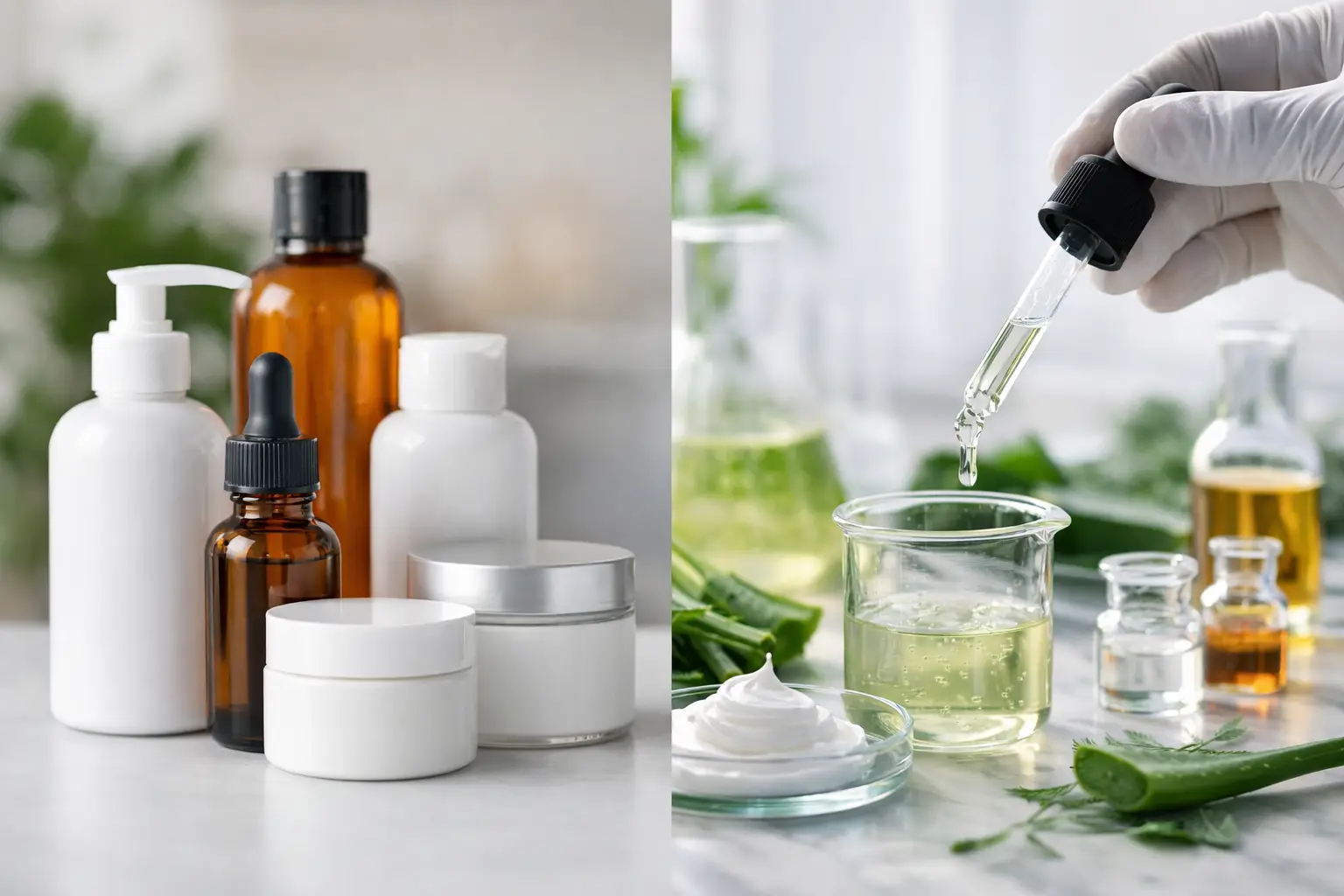
Private Label vs Custom Formulation

A founder comes to market with a strong concept, a clear audience, and one big decision to make early: private label vs custom formulation. That choice affects far more than the product inside the bottle. It shapes your launch timeline, minimum order quantities, margin structure, brand positioning, and how easily you can stand apart once competitors start noticing your category.

For beauty brands, there is no universally better path. There is only the model that fits your stage, budget, product vision, and growth plan. If you want speed and lower development risk, private label can be a smart starting point. If you want a product built around a distinct performance story, texture, ingredient profile, or claims strategy, custom formulation usually offers more strategic value.

Private label vs custom formulation: the core difference

Private label means selecting from existing, ready-developed formulas that a manufacturer already produces. You apply your own branding, choose packaging options, and bring the product to market without building a formula from scratch. In many cases, this is the fastest route to launch because testing, sourcing, and production processes are already established.

Custom formulation means creating a product specifically for your brand. That may involve developing a new base, adjusting active ingredients, refining sensorial qualities, targeting a specific skin concern, or aligning the formula with a broader market positioning such as clinical skincare, luxury fragrance, or trend-led makeup. This path requires more development time, more technical decision-making, and more investment, but it gives you greater ownership over what makes the product distinctive.

The real question is not just which option is cheaper or faster. It is which option supports the business you are trying to build.

When private label makes the most sense

Private label is often the right fit for first-time founders, salons launching a branded retail line, or businesses testing demand in a new category. If your priority is getting to market quickly with lower upfront complexity, private label creates a practical entry point.

This model works well when the formula itself is not your main differentiator. If your edge comes from audience targeting, branding, community, retail placement, or service experience, you may not need to invest in full custom development at the start. A salon-exclusive hair serum, a spa body care line, or a boutique skincare collection can perform very well with strong packaging, clear positioning, and dependable formula quality.

Private label also reduces some development uncertainty. You are working from formulas that have generally already been tested for manufacturability and market viability. That can shorten the path to production and make forecasting easier, especially for founders managing a tight budget.

There are trade-offs. Your flexibility is narrower, your product may be less unique, and competitors may have access to similar formula bases through other manufacturing channels. Even if the branding is excellent, it can be harder to build a truly defensible product story over time if the formula is largely interchangeable.

When custom formulation is worth the investment

Custom formulation becomes more compelling when product performance is central to the brand. If you want your moisturizer to have a specific skin feel, your serum to feature a precise active blend, or your fragrance to express a distinct olfactive identity, a stock formula will usually feel limiting.

This route is especially valuable for founders entering crowded categories where sameness is a real commercial problem. Premium skincare, hybrid makeup, treatment-led body care, and niche fragrance all benefit from a stronger development process. A custom formula allows you to align ingredients, texture, claims direction, packaging compatibility, and customer experience in a more intentional way.

It also supports long-term brand equity. When your product is developed specifically for your concept, it is easier to create a clearer point of difference and a more credible premium position. That matters when buyers, distributors, and repeat customers start asking why your line deserves shelf space over the next brand.

The investment is higher, and the process takes longer. There may be multiple rounds of lab samples, stability testing, compatibility checks, compliance review, and packaging adjustments before you reach a final approved formula. But for brands that want to build a distinctive product architecture, that development time is often what creates value.

Cost, timeline, and minimums

This is where many founders make the decision.

Private label typically requires less capital upfront because the R&D stage is limited or already absorbed into the manufacturer’s existing catalog. Sampling is simpler, production can begin faster, and minimum order quantities may be more accessible depending on the manufacturer and packaging choices.

Custom formulation usually involves separate development costs, longer lead times, and a more layered approval process. Formula work, revisions, testing, and sourcing can extend the timeline before production even begins. If the product includes novel ingredients, specialized packaging, or compliance considerations for multiple markets, timelines can stretch further.

That does not mean private label is always the cheaper business decision. A lower initial cost can look attractive, but if the product lacks pricing power or does not generate repeat purchase, the savings disappear quickly. On the other side, custom formulation may cost more to develop, yet create stronger margins if the final product supports a premium retail price and more durable customer loyalty.

The better way to assess cost is to look beyond launch and ask what each model allows your brand to become in 12 to 24 months.

Brand positioning and perceived value

In beauty, perception and performance work together. Customers may buy because of branding, but they stay because the product delivers.

Private label can absolutely support a polished, premium-looking brand. With strong design, thoughtful packaging, and a clear niche, the end result can still feel elevated. Many successful beauty businesses begin this way and use early sales to fund later custom development.

Custom formulation, however, gives you more control over how the product earns its position. You can build a narrative around ingredient strategy, testing direction, texture innovation, or a founder-led insight that shaped the formula itself. That creates more substance behind the brand promise.

For businesses aiming at prestige retail, professional channels, or strong direct-to-consumer differentiation, this added depth often matters. It gives the sales story more credibility and makes the brand less dependent on packaging alone.

Operational complexity and risk

One of the most underestimated parts of this decision is execution.

Private label is operationally simpler. There are fewer moving parts, fewer technical choices, and usually fewer opportunities for delays during development. That simplicity can be a major advantage for new founders who need momentum and want to avoid getting stuck in endless product revisions.

Custom formulation introduces more variables. Formula stability, ingredient sourcing, regulatory requirements, claims language, and packaging compatibility all need close coordination. If your manufacturing partner is not experienced, the process can become slow and expensive.

This is where the right partner changes the equation. A full-service team can help evaluate whether your idea truly requires custom development or whether a refined private label approach will deliver the outcome you want with less risk. In practice, many brands do not need maximum customization everywhere. They need it in the right places.

A hybrid approach often works best

The choice between private label vs custom formulation is not always either-or. Many smart beauty brands use both.

A founder may launch quickly with a private label cleanser and body lotion, then invest in custom formulation for a hero serum or treatment mask that becomes the brand’s signature product. A salon may start with a private label retail line, learn which products clients reorder most, and later develop custom formulas around those proven demand signals.

This phased model is often commercially sound. It allows you to enter the market with speed, generate feedback, and reserve larger development budgets for products with the strongest long-term potential. It also reduces the pressure to perfect everything before launch.

At Arwalabs, this is often the most strategic conversation to have early. Not simply what you can launch, but what deserves custom investment now, what can move faster under private label, and how both decisions support a scalable product roadmap.

How to decide with confidence

If your main goal is speed, lower upfront investment, and a cleaner path to launch, private label is often the right place to begin. If your goal is deep differentiation, premium positioning, and stronger ownership over product performance, custom formulation is usually the stronger route.

The most useful test is simple. Ask what customers will remember after using the product. If the answer is primarily the branding, convenience, or price point, private label may be enough. If the answer is the formula itself – the results, texture, wear, scent, or treatment experience – custom development is likely worth serious consideration.

A strong beauty brand does not need to start with the most complex model. It needs the right model for its next stage. Choose the path that gives you clarity, not just speed, and make sure your product strategy can grow with your ambition.
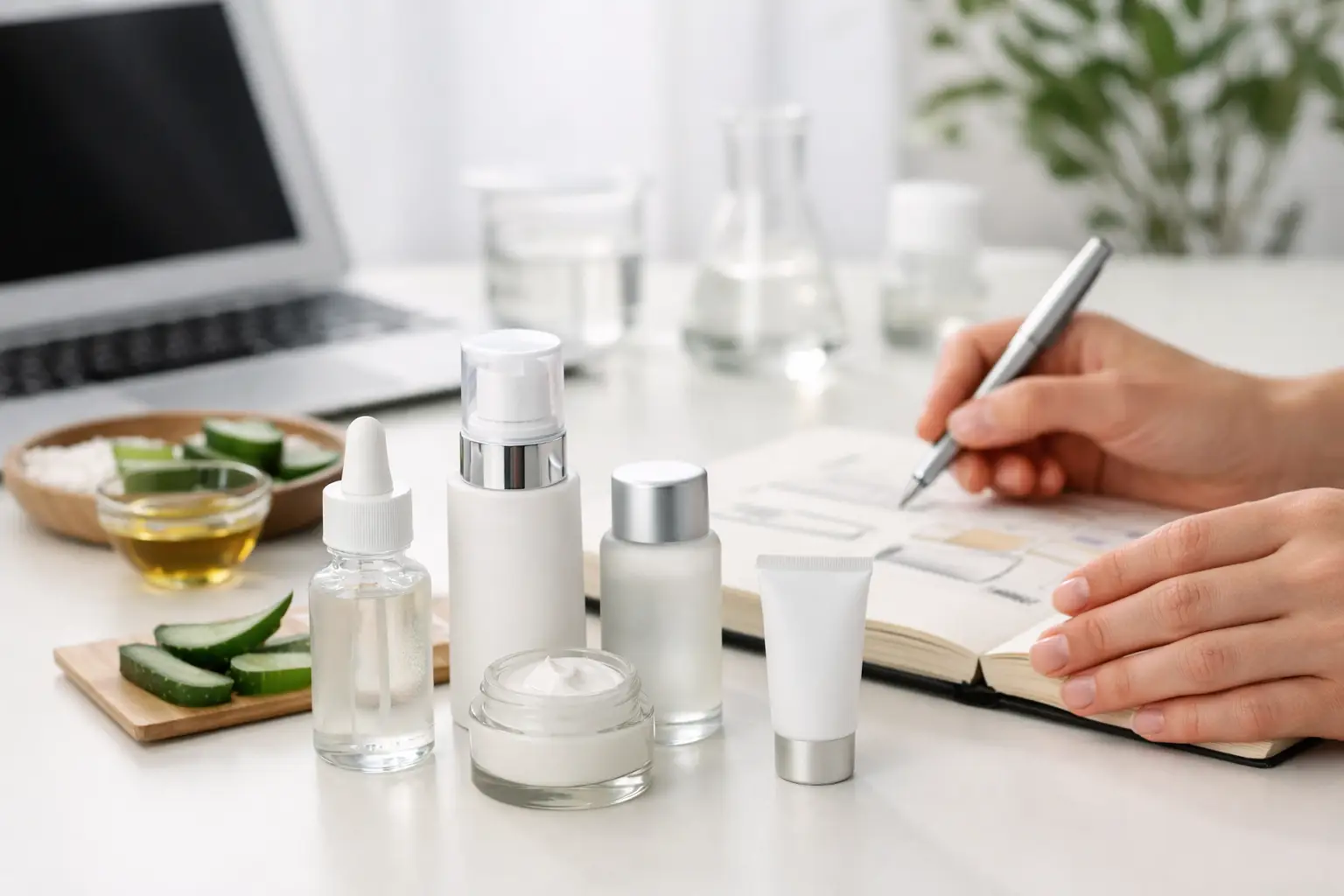
How to Launch a Skincare Line That Sells

How to Launch a Skincare Line That Sells

A strong skincare brand rarely starts with 20 products and a vague promise. It usually starts with one clear idea, one defined customer, and a development process that is tighter than most founders expect. If you are figuring out how to launch a skincare line, the fastest path is not doing everything at once. It is making smart decisions in the right order.

That matters because skincare is one of the most attractive categories in beauty and one of the easiest to misjudge. Founders often focus first on names, logos, and social media. Those pieces matter, but they do not fix a weak formula, unclear positioning, poor margins, or packaging that fails in production. A successful launch depends on execution just as much as concept.

How to launch a skincare line with a real market position

The first step is not choosing a manufacturer. It is deciding what business you are actually building. A skincare line needs a reason to exist beyond “clean,” “luxury,” or “results-driven” because those claims are now baseline language across the category.

Start by defining who the line is for and what problem it solves. Are you serving acne-prone teens, busy professionals who want simplified routines, spa clients looking for premium maintenance between treatments, or mature consumers focused on barrier repair and texture? Each direction changes your formula strategy, price point, packaging, and messaging.

This is where many founders lose momentum. They try to appeal to everyone, so the line ends up looking interchangeable. A narrower point of view usually creates a stronger launch. That does not mean the brand has to stay narrow forever. It means the first product assortment should be precise enough to earn attention and trust.

Competitive research should also be practical, not performative. Look at what similar brands are charging, which product formats are saturated, what claims they repeat, and where the gaps are. Sometimes the opportunity is true innovation. Sometimes it is better execution, stronger design, or a more premium customer experience within a proven category.

Build the product range before you build the hype

A skincare line does not need a large catalog to feel complete. In fact, a focused launch often performs better because it is easier to explain, easier to produce, and easier for customers to try.

For most early-stage brands, three to five SKUs is a disciplined starting point. That may be a cleanser, serum, moisturizer, and SPF-adjacent daytime product if regulations and market strategy allow. It could also be a targeted edit such as a hero serum, supporting cream, and weekly treatment. The right lineup depends on your customer, your budget, and how much education the products require.

There is a trade-off here. Fewer products simplify inventory and reduce upfront cost, but they can limit average order value. More products create a fuller brand world, but they demand more working capital, more testing, and more packaging coordination. Most founders benefit from launching with a tight edit and expanding once they have customer data.

When deciding what to develop, think beyond trend appeal. A product might be popular on social platforms and still be a poor fit for your first launch if it is unstable, expensive to fill, or difficult to differentiate. Good product planning balances market demand with technical feasibility and margin discipline.

Formula development is where brand ambition meets reality

This is the stage where a concept becomes tangible. The texture, scent, absorption, finish, and visible results all shape whether a customer buys again. In skincare, formula quality is not a back-end detail. It is the product.

Founders generally choose between private label, customized base formulas, or fully custom development. There is no universally correct route. It depends on timeline, budget, and how unique the proposition needs to be.

Private label can be a smart option for speed to market, especially if you want to test a brand concept with lower development complexity. Customized formulas offer more room to tailor sensorial profile, actives, and positioning while keeping timing relatively efficient. Full custom development gives the most control, but it requires more time, more budget, and a clear reason for the extra investment.

This is also where working with an experienced product development and manufacturing partner becomes valuable. A partner with cross-market expertise can help translate your brand vision into formulas that are not only attractive on paper but stable, manufacturable, compliant, and commercially viable. For founders entering beauty without in-house technical resources, that guidance can prevent expensive revisions later.

Packaging can strengthen or weaken the launch

Packaging is not just a branding exercise. It affects product stability, shelf impact, shipping cost, filling compatibility, and perceived value.

A premium skincare line should feel intentional in the hand, but it also needs packaging that works operationally. Airless pumps, glass bottles, jars, droppers, tubes, and mono-material options all come with trade-offs. Glass may elevate perception, but it adds weight and breakage risk. A jar can look luxurious, but it may not be ideal for every active formula. Airless systems can protect sensitive ingredients, though they often cost more.

Packaging decisions should be made alongside formula and pricing decisions, not after them. If your target retail price is fixed, your component choices need to support that margin. If your product relies on high-performance actives, the packaging needs to protect efficacy. The right solution sits at the intersection of aesthetics, function, and cost control.

Design matters here as well. Strong skincare packaging communicates the product promise quickly. It should feel aligned with the customer, not just visually attractive to the founder. Minimal can work. Bold can work. Clinical can work. What matters is consistency between the formula, the price, and the presentation.

Compliance is part of how to launch a skincare line responsibly

A beautiful product can still become a costly problem if compliance is treated as an afterthought. This is one of the biggest reasons founders seek an end-to-end manufacturing partner rather than trying to coordinate labs, packaging suppliers, testing, and regulatory requirements alone.

The exact requirements depend on where you plan to sell. Labeling rules, product claims, safety documentation, and market-specific regulations vary. What works for one region may need adjustment for another. If you expect to sell in the US, Europe, the Middle East, or multiple international markets, that complexity increases quickly.

Founders should be careful with language around claims. Saying a product “hydrates” is very different from suggesting it treats a medical condition. The more aggressive the claim, the more scrutiny it can attract. Smart brands build marketing around credible benefits that can be supported by the formula, testing, and documentation.

This stage is not glamorous, but it protects the business. It also signals maturity. Buyers, distributors, retailers, and sophisticated consumers expect skincare brands to take quality and compliance seriously.

Production planning determines whether your launch is profitable

Once prototypes are approved, the next question is not simply whether you can produce. It is whether you can produce at the right quantity, timeline, and cost structure.

Minimum order quantities, lead times, raw material sourcing, packaging procurement, freight, and warehousing all affect cash flow. A common mistake is underestimating how long it takes to align these moving parts. Another is setting a launch date before production realities are clear.

A better approach is to build the launch timeline around actual development milestones. Formula approval, packaging confirmation, testing, artwork finalization, manufacturing, filling, and logistics each need room. Compressing the schedule too aggressively usually creates mistakes, not speed.

This is especially important if you want a premium result. High standards require coordination. At Arwalabs, that is why the development process is built around sequential execution rather than fragmented sourcing. Founders move faster when the process is organized from concept through delivery.

Launch strategy should be simple enough to execute well

A skincare line does not need a massive campaign to launch effectively. It needs a clear offer, believable messaging, and enough operational readiness to convert interest into repeat orders.

Before launch, make sure your product pages, photography, usage instructions, and founder messaging explain the line clearly. Customers should understand who the products are for, what they do, how to use them, and why they are worth the price. If you need three paragraphs to explain one serum, the positioning may still be too vague.

Think carefully about channel strategy. Direct-to-consumer gives you control and customer data, but it requires stronger content and acquisition planning. Selling through salons, clinics, or retail partners can add credibility and built-in distribution, though margins and onboarding may look different. Some brands do best with one channel first. Others benefit from a hybrid model. It depends on your audience and your operating strengths.

Sampling, influencer seeding, founder-led education, and launch bundles can all help, but only if the underlying product is ready. Marketing should accelerate a strong foundation, not compensate for unresolved product issues.

What makes a skincare line worth building

The brands that last are not always the ones with the biggest launch. They are the ones that make disciplined choices early, protect quality, and build trust product by product. If you are serious about how to launch a skincare line, think like a brand founder and an operator at the same time.

Ambition matters. So does restraint. The strongest launches usually come from founders who know what they want to say, where they want to compete, and when to bring in expert support. Start with clarity, build with precision, and let the product prove the promise.

What Turnkey Beauty Brand Development Means

What Turnkey Beauty Brand Development Means

A strong beauty concept can lose momentum fast once the real work begins. Formula briefs get complicated, packaging choices affect margins, compliance slows timelines, and production minimums reshape the launch plan. That is exactly why turnkey beauty brand development has become such a practical model for founders, salons, and established businesses that want to bring products to market without building every capability in-house.

For many brands, the challenge is not vision. It is execution. You may know the customer you want to serve, the category you want to enter, and the price point you need to hit. But turning that into a compliant, high-quality, retail-ready product requires specialized knowledge across formulation, sourcing, testing, manufacturing, packaging, and logistics. A turnkey partner brings those moving parts into one coordinated process.

What turnkey beauty brand development actually includes

At its core, turnkey beauty brand development means one partner manages the full path from concept to finished product. That usually begins with strategy – clarifying product goals, target customer, market positioning, and format. From there, development moves into formula creation or product selection, packaging alignment, testing, artwork preparation, production planning, regulatory review, and final manufacturing.

The value is not only convenience. It is decision-making structure. Instead of hiring separate consultants, freelance designers, packaging vendors, testing labs, and factories, you work through a single system that connects each stage to the next. That reduces handoff errors, shortens delays, and gives the brand a clearer route to launch.

For first-time founders, this model removes a major barrier to entry. For experienced operators, it creates speed and operational control. In both cases, the goal is the same: to take a beauty idea and convert it into a product line that is commercially viable, brand-consistent, and ready for market.

Why founders choose turnkey beauty brand development

Most beauty businesses do not fail because the founder lacks taste or ambition. They struggle because development is fragmented. A lab may create a promising formula, but the packaging chosen later may not protect it correctly. A beautiful carton design may need revisions once regulatory claims are reviewed. A factory may accept the project, but its minimum order quantity may exceed what the launch budget can support.

A turnkey process reduces those disconnects early. It forces commercial reality into the conversation from day one. That matters because a beauty product is never just a formula. It is a combination of product performance, ingredient story, visual identity, shelf appeal, compliance, margin structure, and production feasibility.

This is especially relevant in premium beauty. Customers expect more than attractive branding. They expect textures that feel intentional, packaging that reflects quality, and claims that hold up under scrutiny. Delivering that level of consistency is easier when development is managed as one integrated project rather than a chain of unrelated tasks.

The stages that matter most

The first stage is product direction. This is where a good partner helps sharpen the idea rather than simply taking an order. Not every concept should be developed exactly as first imagined. Sometimes the market opportunity is stronger in a different format, texture, or category. Sometimes the original ingredient wishlist creates cost or stability problems that would hurt the final product.

Next comes formulation and sampling. In custom development, this stage is where the product begins to earn its place in the market. Texture, scent, absorption, pigment payoff, finish, and performance all shape how the customer experiences the brand. A serious development partner balances creativity with manufacturability, because the best lab sample still has to perform at scale.

Packaging development follows closely behind. It is tempting to treat packaging as a visual exercise, but it is equally a technical and financial one. Compatibility with the formula, shipping durability, fill requirements, decoration methods, and lead times all affect the launch plan. Premium packaging can elevate a brand, but only if it works operationally and supports the target margin.

Then there is compliance, which many new entrants underestimate. Claims language, labeling, documentation, ingredient restrictions, and market-specific requirements can all affect what goes to production. This becomes even more important for brands planning to sell internationally. A turnkey structure helps identify these issues before they become expensive corrections.

Finally, manufacturing and logistics turn planning into inventory. This stage requires precision. Forecasting, batch control, quality checks, lead time management, and delivery coordination all influence whether a launch feels professional or chaotic. The founder may see the product as the finish line. In reality, production is where brand credibility begins.

What to look for in a development partner

Not every full-service provider offers the same level of strategic value. Some are strong in manufacturing but limited in brand positioning. Others are creative but weak on compliance and scale. The right partner should be able to connect product vision with commercial execution.

That means asking practical questions. Can they support both custom and private label pathways? Do they understand how to position products for different customer segments? Can they advise on packaging choices that align with both brand image and operational needs? Do they have access to manufacturing environments suited to the quality level you want to achieve?

International production capability can be a major advantage here. Different manufacturing regions bring different strengths in skincare innovation, fragrance craftsmanship, packaging quality, and formulation expertise. For brands aiming at a premium or globally relevant position, access to established cosmetic hubs can improve both product quality and market credibility.

A capable partner should also be transparent about trade-offs. Speed to market, low minimums, deep customization, and premium components do not always coexist perfectly. Sometimes a founder needs a phased strategy – launching with a tighter assortment, choosing a more efficient component, or prioritizing one hero product before expanding. Honest guidance at this stage protects the business.

When turnkey is the smartest model – and when it is not

Turnkey development is often the best fit for founders who want expert support, faster execution, and less operational complexity. It is also ideal for salons, retailers, and service-based beauty businesses that want a branded product line without building an internal product development department.

It can be especially effective for businesses entering skincare, makeup, or fragrance for the first time. These categories involve technical decisions that influence safety, performance, and shelf readiness. Working with a coordinated partner reduces the learning curve and limits avoidable mistakes.

That said, turnkey is not always the right approach for every business. If a company already has an internal R&D team, established supplier relationships, and dedicated regulatory infrastructure, it may only need selective manufacturing support. Likewise, if a founder wants to manage each vendor directly for highly specialized reasons, a fully integrated model may feel too centralized.

The question is not whether turnkey is universally better. The question is whether it creates better decisions for your current stage, budget, and growth plan.

Building a brand, not just making a product

One of the biggest misconceptions in beauty is that product development starts in the lab. In reality, it starts with positioning. A cleanser is never just a cleanser. It sits inside a brand promise, a pricing strategy, a customer ritual, and a competitive landscape.

That is why effective turnkey beauty brand development should support more than production mechanics. It should help shape a product line that makes sense commercially. Which SKU should launch first? What texture or finish best supports the brand story? What packaging signals premium value without creating unnecessary cost? These are business questions as much as product questions.

This is where an experienced partner becomes more than a vendor. The role is to bring structure, technical expertise, and market awareness to the founder’s ambition. At Arwalabs, that philosophy centers on taking an idea through every essential stage with clarity and discipline, while protecting the brand vision that made the concept worth pursuing in the first place.

A beauty brand earns trust when every detail feels aligned – the formula, the pack, the claims, the quality, and the delivery. If you want to launch with confidence, choose a development model that treats execution as part of the brand itself, not an afterthought.

Loading...