
Cosmetic Formulation of Skin Care Products
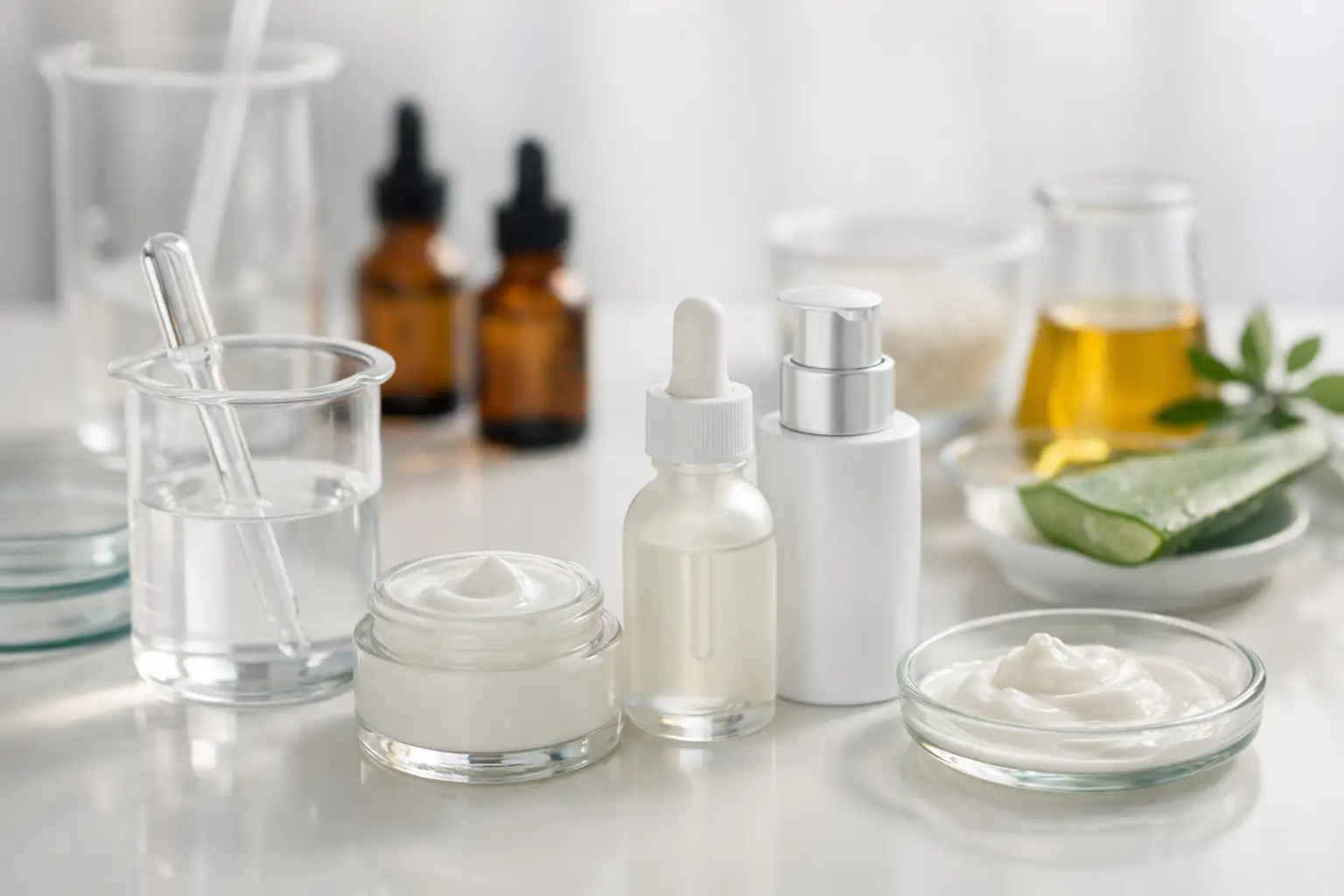
A skin care idea can sound brilliant in a founder meeting and still fail the moment it reaches the lab. The difference usually comes down to cosmetic formulation of skin care products – the technical work that turns a concept, claim, and customer promise into something stable, safe, effective, and ready for market.
For beauty founders, salon owners, and growing brands, formulation is where strategy becomes tangible. It affects how a product feels on first use, how it performs after three months on a shelf, whether it can support the claims on the packaging, and how efficiently it can be manufactured at scale. That is why strong formulation is not just a chemistry exercise. It is a business decision.
What cosmetic formulation of skin care products really involves
At a basic level, formulation means selecting and balancing ingredients to create a finished product with a specific purpose. In practice, it is more complex. A cleanser must remove buildup without leaving skin tight. A serum must deliver active ingredients in a texture customers enjoy using daily. A cream must remain stable across temperature shifts, shipping conditions, and normal use.
Every formula is built around trade-offs. A richer texture may feel more premium, but it can also increase the risk of pilling under makeup. A high level of active ingredients may sound compelling in marketing, but it can affect tolerance, stability, or cost. A natural positioning may appeal to a target audience, but some naturally derived ingredients create formulation challenges around odor, color variation, or preservation.
This is where experienced product development matters. The goal is not to chase the most fashionable ingredient list. The goal is to create a formula that fits the brand, the market, the price point, and the intended user experience.
The building blocks of a strong skin care formula
Most skin care products are made from a familiar set of functional categories, but the quality of formulation depends on how these parts work together.
Water often forms the base of many products, especially creams, gels, and serums. Oils and emollients influence nourishment, glide, and skin feel. Emulsifiers help water and oil stay blended in a stable system. Humectants such as glycerin support hydration. Thickeners shape viscosity and sensorial profile. Preservatives protect the formula from microbial growth. Active ingredients bring the primary treatment story, whether that is brightening, soothing, anti-aging, barrier support, or acne care.
The challenge is that no ingredient works in isolation. Niacinamide may fit a brand positioning beautifully, but its performance depends on pH, compatibility with other actives, and the overall system. A botanical extract may support a clean, premium concept, but it can affect color, fragrance, or shelf life. Even fragrance, often treated as a finishing touch, can influence sensitivity and product perception.
A successful formula feels simple to the customer because the complexity has already been solved behind the scenes.
How product positioning shapes formulation choices
The cosmetic formulation of skin care products should always begin with market intent. Before choosing ingredients, a brand needs clarity on what the product is supposed to do and who it is for.
A serum for a clinical-looking dermocosmetic line will be formulated differently from a spa-inspired hydration serum, even if both are designed to moisturize and improve skin appearance. The first may prioritize high-performance actives, minimal fragrance, and a lean ingredient list. The second may focus more heavily on sensorial elegance, a comforting finish, and a premium fragrance profile.
Price point also changes the equation. Luxury formulas are not automatically better, but they often allow for more specialized ingredients, refined textures, and packaging systems that protect sensitive actives. Mass-market formulas may require sharper cost discipline while still delivering a compelling user experience.
This is one reason many emerging brands benefit from working with a development partner early. It is much easier to build a smart formula when the target customer, retail channel, brand story, and margin expectations are clear from the start.
Texture, performance, and repeat purchase
Founders often focus first on claims. Customers do not. They notice texture, absorption, scent, finish, and how the product fits into their routine.
A moisturizer can contain excellent ingredients and still underperform commercially if it feels greasy. A cleanser can have a beautiful ingredient deck and still disappoint if it strips the skin. In crowded categories, sensory experience has a direct effect on retention. If customers enjoy using a product, they are far more likely to repurchase it.
That is why formulation should account for both efficacy and behavior. Will the serum layer well with sunscreen? Will the night cream feel nourishing without becoming heavy in warmer climates? Will the face mist spray evenly? These details are not secondary. They shape the customer relationship with the product.
Brands that want to scale need formulas that perform in real life, not only on paper.
Stability and compatibility are where many ideas get tested
A product prototype can look excellent in the first week and become unstable later. Separation, color shift, viscosity changes, odor development, and microbial risk are all common reasons formulas need adjustment before launch.
Stability testing helps identify whether a formula can withstand time and environmental stress. Compatibility testing helps determine whether the packaging and formula work together without leakage, discoloration, or ingredient interaction. This is especially important for active formulas, airless systems, and products sold across different climates.
There is no universal best format. A jar may suit one cream and create unnecessary exposure for another. A dropper may look premium but may not be ideal for formulas with certain viscosities or active profiles. Packaging should support the formula, not fight it.
For founders, this stage can feel slower than expected. But delays during development are far less costly than problems after launch.
Claims, compliance, and formulation reality
One of the biggest misconceptions in beauty is that branding creates the claim and formulation simply follows. In reality, claims must be grounded in what the formula can reasonably support and what regulations allow in each market.
If a brand wants to position a product around hydration, barrier support, brightening, or soothing benefits, the ingredient selection, usage levels, and testing strategy all need to align. If a formula is intended for sensitive skin, that affects fragrance decisions, active intensity, and test planning. If the launch is international, regulatory expectations may differ by region.
This is where a full-service development process creates real value. The strongest partners do not just make a formula that sounds appealing. They help ensure the formula, packaging, documentation, and go-to-market claims work together in a compliant, commercially realistic way.
Custom formulation vs. private label
Not every brand needs a fully custom formula. For some businesses, especially those moving quickly or testing a market, a well-selected private label base can be the smarter route. It reduces development time, lowers complexity, and can still support a polished launch when paired with strong branding and packaging.
Custom formulation makes more sense when differentiation is central to the business model, when a founder has a specific performance vision, or when the brand needs exclusivity around texture, ingredient story, or claims direction.
Neither route is automatically superior. It depends on budget, timing, competitive landscape, and long-term brand ambition. The key is making the choice strategically rather than emotionally.
What founders should prepare before starting formulation
The most efficient formulation projects start with better inputs. A founder does not need to know cosmetic chemistry, but they should be able to define a few essentials clearly: the product category, target customer, desired skin benefit, preferred texture, price position, and key market.
Reference products can help, not as copies, but as a way to communicate sensorial expectations. So can clarity on what not to do, such as avoiding fragrance, excluding certain ingredients, or staying within a specific claim framework.
When those parameters are established early, development becomes faster and more focused. Teams can make decisions against a clear commercial goal instead of reacting to every trend or social media ingredient spike.
For brands working with a partner like Arwalabs, that alignment is especially valuable because formulation is only one stage of the wider launch path. Prototype development, packaging fit, compliance planning, manufacturing readiness, and delivery all move more smoothly when the formula strategy is built on a solid brief.
Why formulation is one of the strongest brand investments
Customers may never see the lab work, stability data, or technical reviews behind a skin care product. They will still feel the result every time they open the bottle.
Good formulation protects more than product quality. It protects margin, reputation, customer trust, and the ability to scale. It reduces the risk of rushed launches, weak repeat purchase, and expensive reformulation later. Just as importantly, it gives founders confidence that their product can stand beside established brands, not only in appearance but in performance.
If you are building a skin care line, the formula is not the back-end detail to sort out later. It is the product. Start there with clarity, test it thoroughly, and build with a partner who understands both chemistry and market execution. That is how ambitious ideas become retail-ready beauty brands.