
Fragrance Creation Process Explained
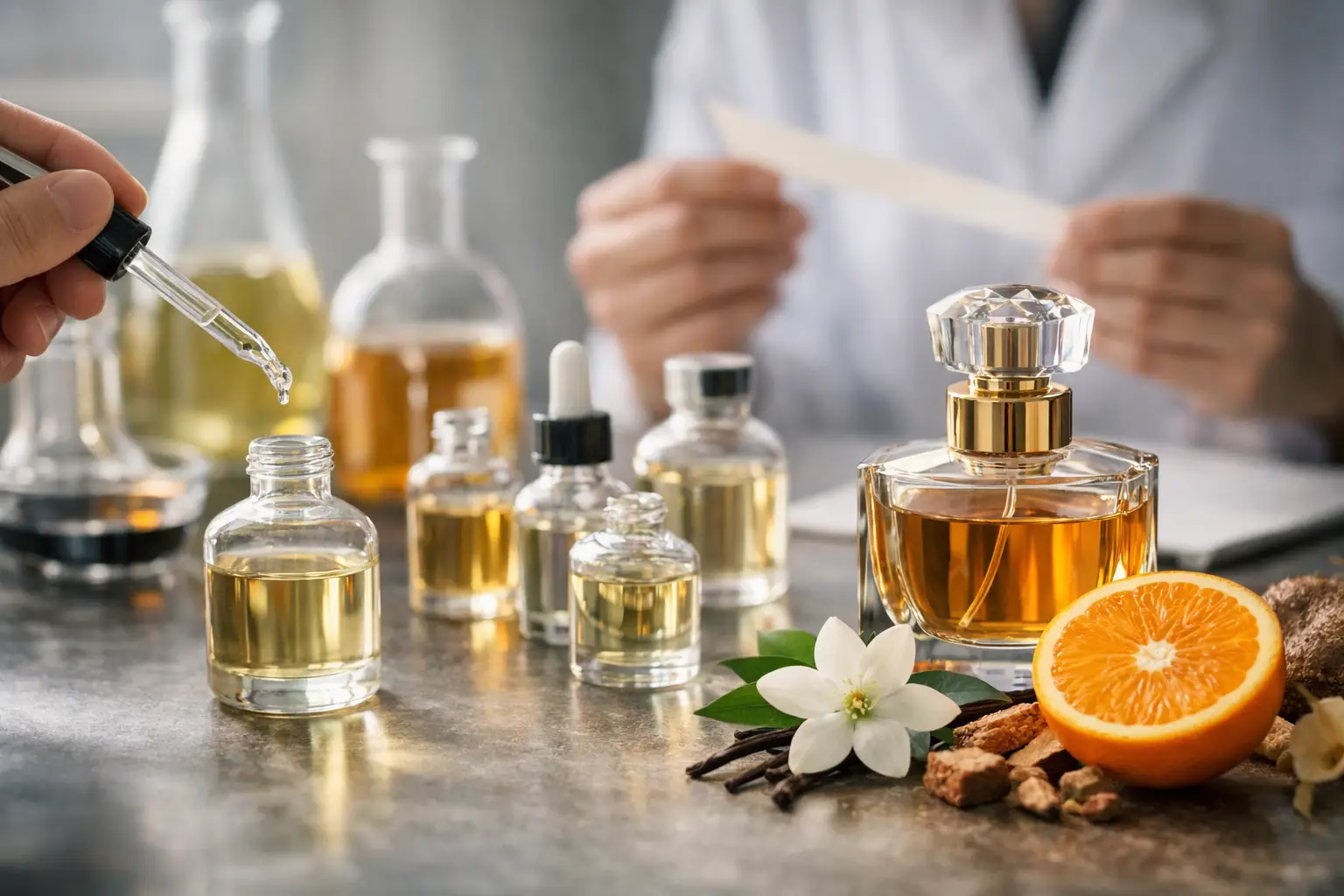
A fragrance can feel simple on the shelf – a bottle, a name, a mood. Behind that final product, the fragrance creation process is far more technical, strategic, and brand-defining than most founders expect. The difference between a scent that gets sampled once and one that earns repeat purchase usually comes down to decisions made long before production begins.
For beauty founders, salon owners, and growing brands, perfume development is not just about choosing notes that smell good together. It is about building a scent that fits your customer, performs well in real use, meets compliance standards, and can be manufactured consistently at scale. That is where process matters.
What the fragrance creation process actually involves
At a high level, the fragrance creation process moves from concept to olfactory design, then into evaluation, technical validation, packaging fit, compliance, and production planning. Each stage shapes the next. If the early direction is vague, the formula often becomes expensive to revise later.
This is why strong fragrance development starts with positioning, not raw materials. Before a perfumer builds a composition, the brand needs clarity on audience, price point, product format, and market role. A niche signature scent for a founder-led luxury brand requires a different construction than a broad-appeal body mist for retail volume. Neither is better by default. The right direction depends on your commercial goal.
Starting with the brand concept
Most successful fragrances begin with a clear brief. That brief usually defines the target customer, scent family, emotional territory, competitive references, intended format, and budget framework. It may also include practical details such as whether the product is an eau de parfum, hair mist, body spray, or home fragrance extension.
This stage is often underestimated. Founders sometimes come in with only a few descriptive words – clean, warm, elegant, bold. That can be a useful starting point, but it is not enough on its own. Those words need translation into olfactive structure. For example, clean can mean citrus and musk to one brand, and soft florals with aldehydes to another.
A good development partner helps convert brand language into a workable fragrance direction. That keeps creativity aligned with execution, especially when speed to market matters.
Building the scent architecture
Once the concept is approved, the perfumer begins shaping the formula. This is where creative artistry meets technical precision. Fragrances are typically structured through top notes, heart notes, and base notes, but the real work goes deeper than that familiar framework.
Top notes create first impression. They are often more volatile and can include citrus, green, aromatic, or bright fruity elements. Heart notes define the character of the fragrance and frequently include florals, spices, tea, or textured woods. Base notes create depth and lasting power through musks, amber materials, resins, woods, and gourmand facets.
The challenge is balance. A fragrance may smell beautiful on a blotter but feel flat on skin. It may open well and then disappear too quickly. It may project strongly but lose refinement over time. The formula must be developed for evolution, not just impact in the first ten seconds.
Why accords matter in the fragrance creation process
A fragrance is rarely built as a random collection of individual notes. It is usually built around accords – combinations of materials that create a recognizable effect such as clean skin, creamy vanilla, white floral, mineral freshness, or smoky wood. These accords become the internal architecture of the scent.
This matters because strong accords give a perfume identity and consistency. They also make revisions more strategic. If the brand wants the scent to feel less sweet or more modern, the perfumer can adjust the accord structure rather than changing isolated ingredients without direction.
Evaluation and rounds of refinement
Very few fragrances are approved in the first round. Mod evaluation is a normal part of the process. A founder may love the opening but want more depth in the drydown. A retailer may request broader mass appeal. A technical team may identify a material that performs differently in the intended base or concentration.
This stage requires honest judgment. Chasing too many opinions can weaken the formula. On the other hand, approving too early can create larger issues later in launch planning. The best review process keeps feedback focused on target consumer fit, distinctiveness, performance, and feasibility.
Wear testing is also essential. A scent should be reviewed on blotter, on skin, and over time. Temperature, skin chemistry, and application format can all change perception. What feels elegant in a controlled evaluation can read sharp, heavy, or short-lived in daily use.
Performance is not just about smelling good
Many first-time founders focus heavily on notes and inspiration, but commercial fragrance development also depends on technical performance. Longevity, diffusion, stability, and compatibility with the final product format all need to be tested.
A fine fragrance formula behaves differently from a scented body lotion or hair product. Alcohol level, base composition, packaging interaction, and storage conditions can all affect the final result. Some ingredients may discolor over time. Others may create instability or require concentration adjustments.
This is one of the biggest trade-offs in the fragrance creation process. The most artistically interesting formula is not always the most practical for production, regulatory approval, or cost control. That does not mean the scent needs to become generic. It means the formula must be developed with both brand ambition and operational reality in view.
Compliance and safety cannot be added at the end
Fragrance is one of the most regulated categories in beauty. Depending on your market, requirements may involve allergen declarations, IFRA standards, safety documentation, ingredient restrictions, labeling rules, and product-specific testing. If a brand plans to sell across multiple regions, those considerations become even more important.
This is why compliance should be built into development from the start. Waiting until the fragrance is finalized can create delays, reformulation costs, or launch setbacks. A well-managed process checks regulatory fit early, especially if the formula is meant for international distribution or premium retail channels.
For founders, this is often where an experienced partner adds real value. Technical oversight reduces guesswork and protects the brand from expensive late-stage corrections.
Packaging influences the final fragrance experience
Packaging is not separate from perfume development. It affects evaporation, spray quality, product protection, and customer perception. The same formula can feel more luxurious or more basic depending on atomizer output, bottle design, and overall presentation.
There are practical issues too. Certain packaging components interact better with specific formulas than others. Fill volume, closure quality, and decoration methods all affect production planning. Premium presentation is important, but it has to work operationally.
This is especially relevant for brands building a first fragrance line. A strong product is not just a good scent in an attractive bottle. It is a coherent system where formula, packaging, positioning, and manufacturing all support one another.
Preparing for manufacturing and scale
Once the fragrance formula and packaging are approved, attention shifts to production readiness. That includes final formula documentation, batch scaling, component sourcing, lead times, quality control planning, and logistics coordination.
This stage can expose weaknesses if earlier development was rushed. A formula that relies on difficult-to-source materials may affect timelines. A component with long lead times may delay launch. A price target that looked realistic during concepting may need adjustment once full production costs are calculated.
This is why end-to-end planning matters. At Arwalabs, the goal is not simply to create an attractive fragrance concept. It is to help brands move from idea to retail-ready execution with a process that accounts for development, compliance, packaging, manufacturing, and delivery from the beginning.
What founders should expect from a development partner
A capable fragrance partner does more than present scent options. They help organize decisions, manage revisions, align creativity with market positioning, and prepare the product for actual launch conditions. That support is especially valuable for founders who want custom fragrance without building an internal technical team.
The right process should feel clear, not overwhelming. You should understand what stage you are in, what decisions are needed, what trade-offs exist, and what comes next. Fragrance development is creative, but it should never feel improvised.
A well-made scent has emotional power. It can define a brand, create loyalty, and elevate the entire product line. But that outcome rarely comes from inspiration alone. It comes from a fragrance creation process that treats scent as both an art form and a business asset.
If you are building a fragrance brand or adding scent to your product portfolio, the smartest next step is not to ask what smells good. It is to ask what needs to happen for that fragrance to succeed in the market you want to win.